2030: The Year the Space Station Comes Home

Updated: Mar 21

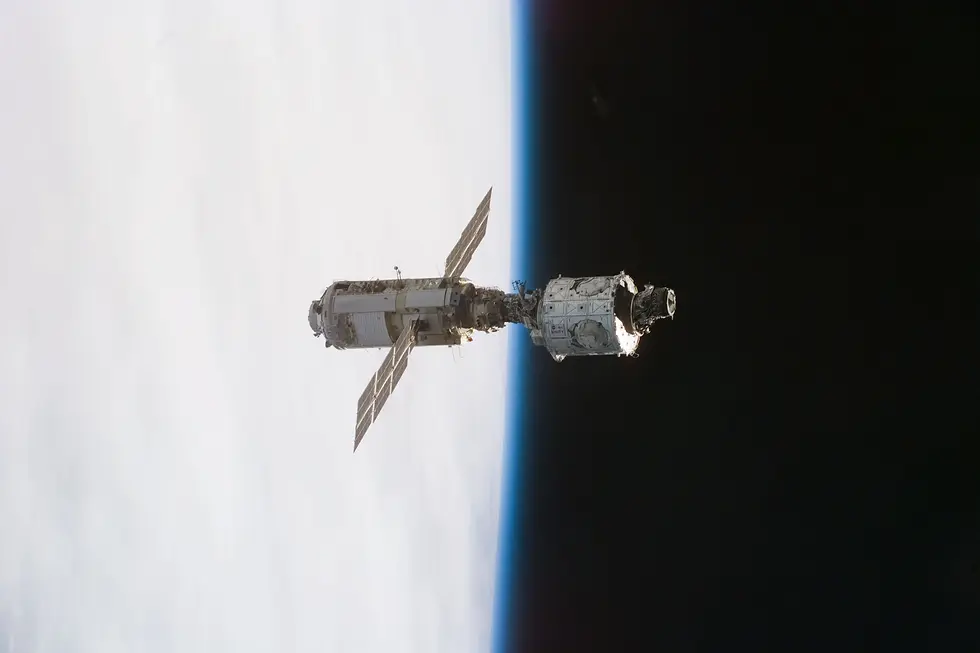
The International Space Station is heading toward its final chapter. After more than two decades of continuous human presence in orbit, NASA has confirmed that 2030 will be the last year the ISS operates. The station has served as a floating laboratory, a political bridge, and a training ground for long-duration spaceflight. It has been in orbit since 1998, and people have lived on it without interruption since 2000. But hardware ages, structures fatigue, and the cost of keeping the ISS alive has reached a point where retirement makes more sense than continued repair.
NASA is clear about why this transition has to happen. Robyn Gatens, NASA’s ISS Director, explained it directly in a 2022 press release: “The International Space Station is entering its third and most productive decade as a groundbreaking scientific platform in microgravity. We look forward to maximizing these returns through 2030 while planning for transition to commercial space destinations that will follow.” NASA also notes that “maintenance and upkeep is growing across the station… and will increase as we approach the end of the decade.” That means that the ISS is still scientifically valuable, but its structure cannot last forever.
When the time comes to shut the station down, NASA will not just abandon it. The plan calls for a dedicated deorbit spacecraft to dock with the ISS and push it into a controlled descent. In NASA’s own wording, they intend a “safe and controlled, targeted reentry of the ISS into a remote area of the ocean.” This is the same method used for other large spacecraft at the end of their lifetimes. It prevents debris from falling over populated areas and brings a clean, deliberate end to one of the most ambitious engineering projects in history.
What comes after the ISS is not a gap in human spaceflight but a handoff. Instead of one government-run outpost, NASA is shifting to a marketplace of commercial stations.
Companies like Axiom Space, Blue Origin, Sierra Space, and Nanoracks are building new orbital habitats where NASA will rent space for experiments and crew time. As the agency put it, “Commercial space stations will provide the foundation for continued human presence in low Earth orbit and will free NASA to focus on deep space exploration.” The ISS era ends, but low Earth orbit stays active under a new model.
Still, losing the ISS is not just a technical transition. It is the end of a symbol. For many astronauts and researchers, the station represents what international cooperation can look like when it works. Scott Kelly described it as “the most amazing human achievement… a symbol of what we can accomplish when we work together.” That sense of shared purpose is something the next generation of stations will have to earn, not inherit.
The retirement of the ISS will change how the public thinks about space. The station gave people a constant reference point: astronauts posting videos, spacecraft docking live on YouTube, and scientific discoveries that reached classrooms around the world. Commercial stations may offer more flexibility, but they will also need to build that same connection with the public. At the same time, shifting ISS resources frees NASA to invest more heavily in Artemis, Gateway, and Mars-bound missions.
The shutdown marks a turning point. The ISS defined an era where space exploration felt steady and collaborative. What comes next may look more commercial, more experimental, and more unpredictable. But it also brings the possibility of more access, more innovation, and new stories to tell. The space station coming down in 2030 is not a finale. It is the moment one chapter closes, so a bigger one can be written.